


- April 2, 2024
In today’s rapidly evolving business environment, organizations face a growing array of risks, ranging from cyberattacks and financial fraud to regulatory non-compliance and operational disruptions. The ability to identify, assess, and mitigate these threats is no longer optional—it is critical to long-term sustainability and growth.
Risk management certification, offered by the African Commission for Standards and Accreditation (ACSA), provides organizations with the tools, frameworks, and recognition needed to strengthen their resilience, protect assets, and build trust with stakeholders. By embedding robust risk management practices, businesses can navigate uncertainties with confidence and maintain a competitive edge.
The Rising Threat Landscape for Modern Organizations
Emerging risks are becoming increasingly complex. Digital transformation, cross-border operations, and globalization have introduced vulnerabilities that can affect organizations of all sizes and sectors. Key risks include:
- Cybersecurity threats such as ransomware, data breaches, and system vulnerabilities.
- Financial risks including fraud, money laundering, and liquidity challenges.
- Operational risks arising from supply chain disruptions, regulatory changes, and internal inefficiencies.
- Reputational risks due to public scrutiny, unethical behavior, or failure to meet stakeholder expectations.
Without effective risk management systems, these threats can escalate quickly, causing financial losses, reputational damage, and legal liabilities.

Bike paths and sidewalks make getting to and from the city’s many festivals, museums, restaurants and music venues easy. A range of amenities provides many things to do in Bellevue. About 40 percent of the city’s population are minorities, which contributes to an overall diverse range of lifestyles and ideas.
While Denver sits at the base of the Rocky Mountains, it’s not considered a mountain town since it takes at least an hour to get to the Rockies for snowboarding and ski activities, a local expert explained. Olympic mountain bikers, musicians, and award-winning chefs about what exactly makes their hometowns so special and fun.
What Is Risk Management Certification?
Risk management certification is a formal recognition that an organization has implemented structured, comprehensive, and effective risk management processes. Through certification, an organization demonstrates its ability to:
- Identify potential risks across all areas of operation.
- Assess the likelihood and potential impact of these risks.
- Develop mitigation strategies to minimize exposure.
- Monitor and review risk management systems continuously.
- Align risk practices with international standards and regulatory requirements.
Certification not only strengthens internal systems but also provides stakeholders with assurance that the organization operates responsibly and proactively.
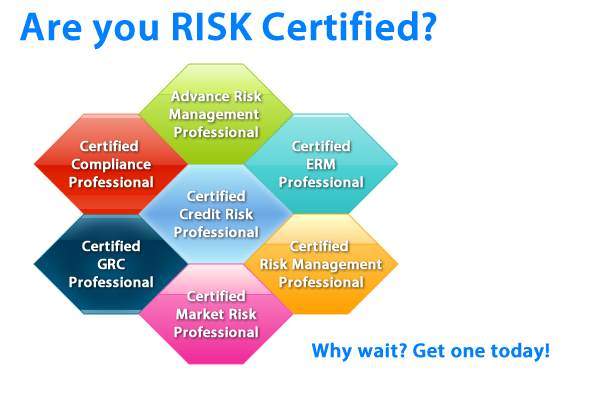
How ACSA Supports Risk Management Certification
The African Commission for Standards and Accreditation (ACSA) provides tailored risk management certification programs designed for the African context while aligning with global best practices. ACSA’s approach helps organizations to:
1. Implement Practical Risk Frameworks
ACSA evaluates organizational processes and provides guidance to establish risk identification, monitoring, and mitigation protocols that are actionable and relevant to the local and regional environment.
2. Enhance Governance and Accountability
Certification emphasizes strong leadership, clear roles and responsibilities, and reporting mechanisms, ensuring that risk management is embedded at every level of the organization.
3. Promote Compliance with Regulations
ACSA programs ensure that risk management practices comply with national and regional regulations as well as international standards, reducing exposure to fines, penalties, or operational interruptions.
4. Encourage Continuous Improvement
Organizations are guided to periodically review and update their risk management strategies to respond to emerging threats and evolving business conditions.
The Benefits of Risk Management Certification
Certification delivers multiple advantages that go beyond regulatory compliance:
- Strengthened Organizational Resilience
Certified organizations are better prepared to anticipate, respond to, and recover from unexpected threats. - Increased Stakeholder Confidence
Investors, partners, and clients are more likely to trust organizations that demonstrate proactive risk management practices. - Enhanced Operational Efficiency
Structured risk frameworks help identify inefficiencies and streamline decision-making processes, reducing vulnerabilities. - Reduced Financial and Legal Exposure
By mitigating potential risks, organizations avoid losses, penalties, and reputational damage. - Strategic Competitive Advantage
Organizations with certified risk management systems can respond faster and more effectively to crises, positioning themselves as leaders in their sectors.
Why African Organizations Should Prioritize Risk Management Certification
The African business landscape presents unique challenges and opportunities. Regulatory environments are evolving rapidly, digital adoption is expanding, and markets are increasingly interconnected. Risk management certification from ACSA equips organizations to stay ahead of these emerging threats, maintain credibility, and foster sustainable growth.
By adopting certified risk management practices, African businesses can strengthen internal systems, demonstrate governance excellence, and reassure stakeholders that they are prepared for uncertainties.
Conclusion
Emerging threats are inevitable, but organizations do not need to face them unprepared. Risk management certification from ACSA provides the guidance, structure, and validation necessary to protect assets, ensure compliance, and maintain operational resilience.
Incorporating risk management into the core of business operations is no longer just good practice—it is a strategic necessity for organizations looking to thrive in a dynamic and uncertain environment.